 By Liam Isola
Let’s face it, it’s too easy to take the place we live in for granted. Whether we’re sitting in traffic, sitting inside through the winter, or sitting in an office, it’s easy to engage in escapism. Among other things, vacation is valuable for getting out of routines and your comfort zone, resetting, learning about new cultures, and trying new foods. However, being a tourist where you live can also provide almost all of the same benefits.
That’s especially true if you live in a big, diverse city. Over 800 languages are spoken in New York City alone. So, you can have a unique cultural experience without getting on a plane. Even small cities have a lot to offer. Local history museums can be treasure troves of information and connect you with your city.
Flight Prices are up, Staying Local is in
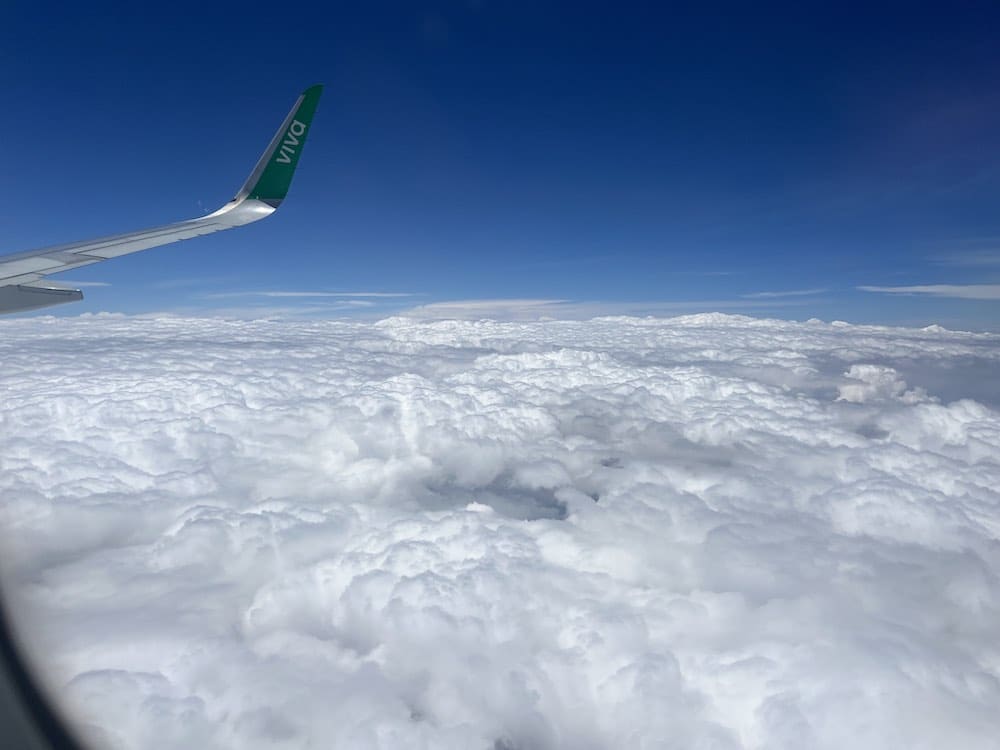
While we often discuss traveling on a budget on Vacation Vulture, going on trips is not always cheap. In no small part due to the ill-advised war in Iran, flight prices have reached a ten-year high. They are up around 25 percent compared to last year.
As much as people loved to joke about Spirit Airlines, it also served a valuable purpose. Spirit increased competition and kept other airlines’ prices in check. After Spirit shut down in May, few low-cost carriers remain in the US market.
Now that prices are higher, staying local is more appealing. Instead of flying for a weekend trip, consider using the money you would have spent as a tourist where you live. For example, try out some restaurants and do some activities you wouldn’t have otherwise.
Being a Tourist Where You Live: Getting Out of My CDMX Routine
I have hundreds of restaurants and activities saved in Mexico City, where I’ve been spending most of my time. I haven’t gotten around to checking out most of them for one reason or another.
With an unexpected week off from work before the World Cup in June, I decided to do something new every day. It’s all too easy to stay in the same convenient 12-block radius around my place. So, I was grateful for the change in routine and perspective.
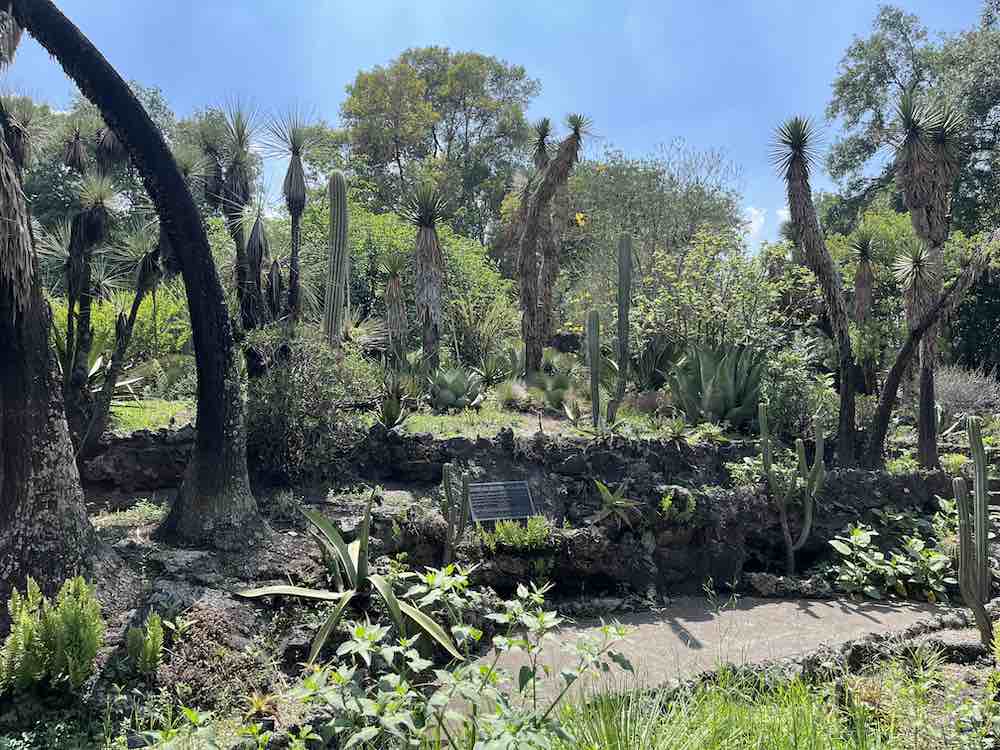
I went to Ciudad Universitaria for the first time, the home of Mexico’s biggest university, UNAM. The campus is lively, and the botanical garden is stunning. The next day, I went to some museums in Centro. I checked out the Museum of Popular Art and the mural-filled Palacio de Bellas Artes
I took the Cable Bus to the eerily quiet third section of Chapultepec. Along the way, I was rewarded with a bird’s-eye view of the city. Using the Metrobus, I also went for a hike in the secluded Bosque de Tlalpan National Park. The National Park is around a 40-minute walk from the beautiful Tlalpan city center.
On the final day of my week off, I went to Parque Bicentenario. The massive urban oasis in the northwest of the city used to host the Ceremonia festival. Then, I went to Claveria, a lively and European-feeling neighborhood nearby.
Going Forward
In the throes of my routine, I would never think of spending a day in any of these places. That’s even on weekends. I tend to spend my Saturdays at Gaelic Football practice or playing soccer. On Sundays, I typically rest or go for bike rides on Reforma.
So, I’m considering spending my next days off heading to museums, new neighborhoods, and parks again. I tend to eat pretty cheaply and have written about cheap eats in Condesa. Still, there are hundreds of excellent restaurants in a two-mile radius that I could try to treat myself.
While there are some gaps in the cuisine in Mexico City (Central Asian, Balkan, Caribbean, African), that isn’t the case in cities like New York or London. It’s nice to go on trips from time to time, but there’s no reason for me to ever get bored in Mexico City.
Being a Tourist Where You Live: Feeling Stuck?
If you’re ever feeling stuck in your city, take a bus or the metro to a neighborhood you’ve never been to before. Obviously, use your discretion and go somewhere that’s supposed to be relatively safe during the day.
The mental benefits of novelty cannot be overstated. That could be anything from going to a new park, a new museum, or walking on an unfamiliar block. If you work from home, get out of the house. Try a new cafe in a different part of the city to switch things up a bit.
Honestly, I have to take my own advice more seriously. Routines trap me. I feel simultaneously stuck and in need of some structure. Breaking a routine once in a while always leaves me feeling freer than I would have otherwise.
There doesn’t have to be an elaborate plan. Even something like going to a movie or concert could be the escape you need from everyday monotony. Over the past year or so, concerts have become like a drug to me. I never regret spending money on them. Going to interesting-sounding shows allows for music discovery without leaving the city.
While music festivals are one kind of festival, and I’ll be going to CDMX’s Hipnosis Fest and Corona Capital in November, there are plenty of others. When I lived in Chicago, it seemed like there was a different ethnic festival every weekend when the weather was nice. Food festivals are another exciting way to be a tourist where you live.
Live in the Suburbs or a Rural Area?

This advice on being a tourist where you live may ring hollow for readers in suburban or rural areas. Still, if you can head into the nearest city on public transportation or by car, you can stay relatively local and keep costs lower than they’d be if you were to go farther.
Day trips can be tons of fun no matter where you live. In the Northeast US, there are hundreds of places to go within a two-hour drive of nearly anywhere. That includes nature, quaint small towns, and big cities.
You could also head to the nearest state or national park if cities aren’t your thing. Camping, especially out west, can be a very affordable activity. There are plenty of campsites that are completely free.
Even when you have to pay for a campsite, the prices are almost always under $45 per night at state and national parks. Traveling in a van out west, stargazing, and hiking in state and national parks remain some of my fondest travel memories.
If you’re sick of being in a noisy, crowded city, you can also rent a car for a day or two and go for a hike in the nearest state or national park.
Seasonal Activities: Be a Tourist Where You Live
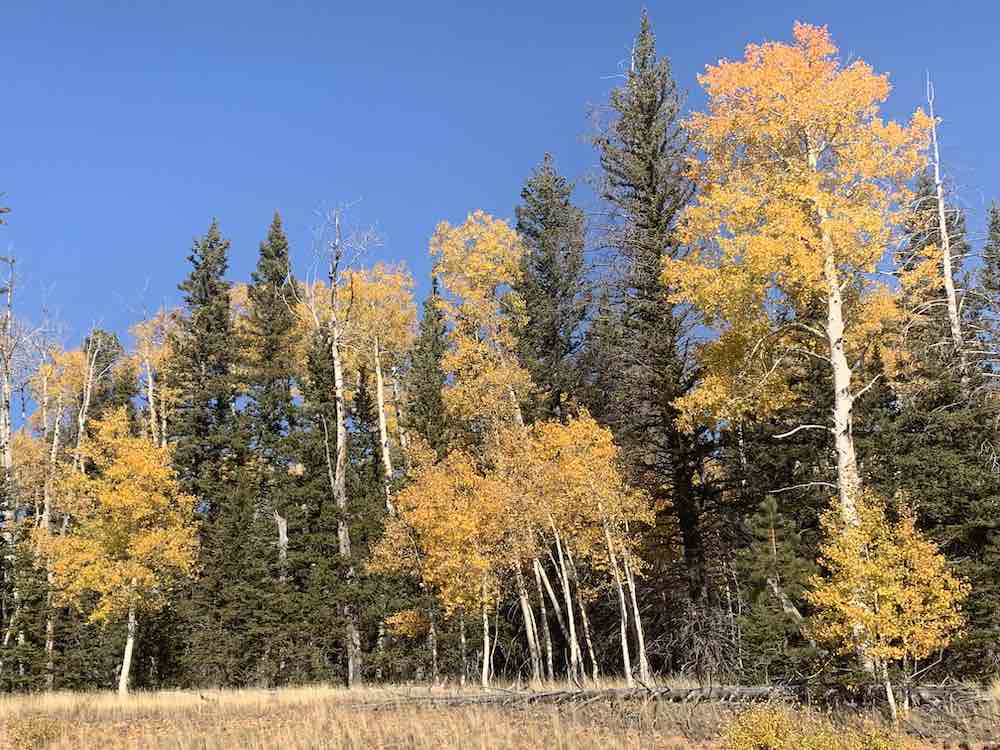
Lastly, take full advantage of seasonal activities depending on where you live. When I was a kid, we lived only an hour away from the Jersey Shore, but I don’t remember going as a family once! One of my friends had a beach house, and I spent some time down there, but we just didn’t take advantage of Summertime.
The same goes for winter sports. The cold doesn’t have to be the reason you stay inside; hit the slopes and go skiing, snowboarding, and/or tubing.
In Mexico City, there are basically two seasons: the rainy season and the non-rainy season. The leaves don’t change colors the way they do in northern parts of the US, and hiking during autumn can be absolutely stunning.
If you’re in NYC, there are places only one hour away by car, like Bear Mountain and Harriman State Parks, where you can escape the city and experience the changing of the seasons.
Don’t Wait to Be a Tourist
You don’t have to wait until you have enough money saved up for a big vacation to be a tourist where you live. Do something new this weekend or whenever you have the time, and start appreciating the area you live in more.
We all complain about the places we live when we’re stuck in the day-to-day monotony of life. However, doing activities instead of sitting on the couch watching Netflix can remind you why you live somewhere in the first place.