 By Liam Isola
 No trip is perfect. Between flight delays, unexpected attraction closures, disappointing accommodations, and more, there are plenty of things that can, and will, go wrong while you travel. While all of these things are outside of your control, there are some common travel mistakes that you can avoid.
For me, it took trial and error to learn not to do some of the following things. If you keep these mistakes in mind, you’ll be controlling what you can on your trip. While no trip is perfect, at least you’ll be able to go on your trip in the first place (see #8) armed with these tips!
So, here are ten common travel mistakes to avoid on your next vacation:
1. Eating in the City Center and Near Big Attractions

One of the most common travel mistakes is falling for tourist traps. In big cities, restaurants in the city center are generally overpriced and lacking quality. The same goes for restaurants near major attractions.
To get high-quality local food, walk a few blocks in either direction and find a neighborhood spot. You can also do your research beforehand or ask a local.
When I research a restaurant on Google, I don’t give too much weight to the rating unless it’s under four out of five. I mostly look at the most recent reviews to see what people have been saying.
In places like Chicago, downtown (The Loop) lacks high-quality, affordable eats. So, you may want to take public transportation to another neighborhood to eat.
2. Booking Flights and Accommodations With No Flexibility
I only book basic economy (non-changeable, non-refundable) flights when I know for certain that I’ll be leaving and returning on specific dates.
There have been countless times when I return home for the holidays or the summer, and I end up wanting to stay a few more days. With basic economy flights, that simply wouldn’t be possible. Plenty of airlines permanently waived standard economy change fees during COVID, so booking in the main cabin is worth it.
The same goes for accommodations/hotels. There are plenty of times when I’ve locked in an Airbnb or Booking early to get a good price. I almost always book with free cancellation up to a certain point in case circumstances have changed.
I’ve had to utilize the free cancellation quite a few times. So, booking with flexibility has saved me lots of money.
3. Planning Days Out Too Rigidly
Planning your travel days out from start to finish is a surefire way to end up burnt out. That said, I prefer vacations that are a mix of adventure and relaxation. By planning too rigidly, you may also miss out on hidden gems. Often, you may only stumble upon these places by wandering around.
Not allowing for spontaneity on trips is one of the biggest travel mistakes. Shuffling around from place to place can cause stress and exhaustion. It’s also a surefire way to be disappointing when something doesn’t go according to plan.
If you’ve planned out your trip seven days in advance and end up meeting people you want to spend time with, you’re out of luck. That is, unless you can cancel your accommodations last minute or eat the cost.
Some of my favorite trips have been spontaneous ones, where I don’t plan more than a day or two in advance. It’s how I backpacked through Europe, Asia, and South America.
4. Not Buying Tickets in Advance for Popular/Timed Attractions

While planning out your day too rigidly can make your vacation exhausting, you can also make the mistake of failing to buy a ticket for attractions that require bookings.
Timed tickets are standard at the Sistine Chapel in Vatican City, the Louvre in Paris, the Van Gogh Museum in Amsterdam, the Casa Azul (Frida Kahlo House) in Mexico City, and more.
So, if you wait until the last minute, you may not be able to see some of the highlights of a city.
For a balance between planning and spontaneity, I like to have only one timed activity booked per day. That way, I have the flexibility to do as I please for the rest of the day.
5. Not Creating a Frequent Flier Account
Racking up miles is one way to earn free flights so you can keep traveling cheaply. Even if you don’t think you’ll fly a particular airline again, there’s no harm in making a frequent flier account.
On an airline you don’t fly much, you can often earn using a partner airline’s account too, so you can get miles on the airline you fly more frequently instead.
If prices are competitive, it’s best to fly the same airline over and over again, so that you earn free flights quicker. Given Newark is the closest airport to my parents’ house back in New Jersey, and it’s a United hub city, I try to fly United every time I’m in the States.
I’ve been able to redeem miles for multiple free flights as a result. So, don’t purchase flights as a guest and give up rewards. Make an account and start racking up miles.
6. Taking a Dodgy Taxi/Not Watching for Scams
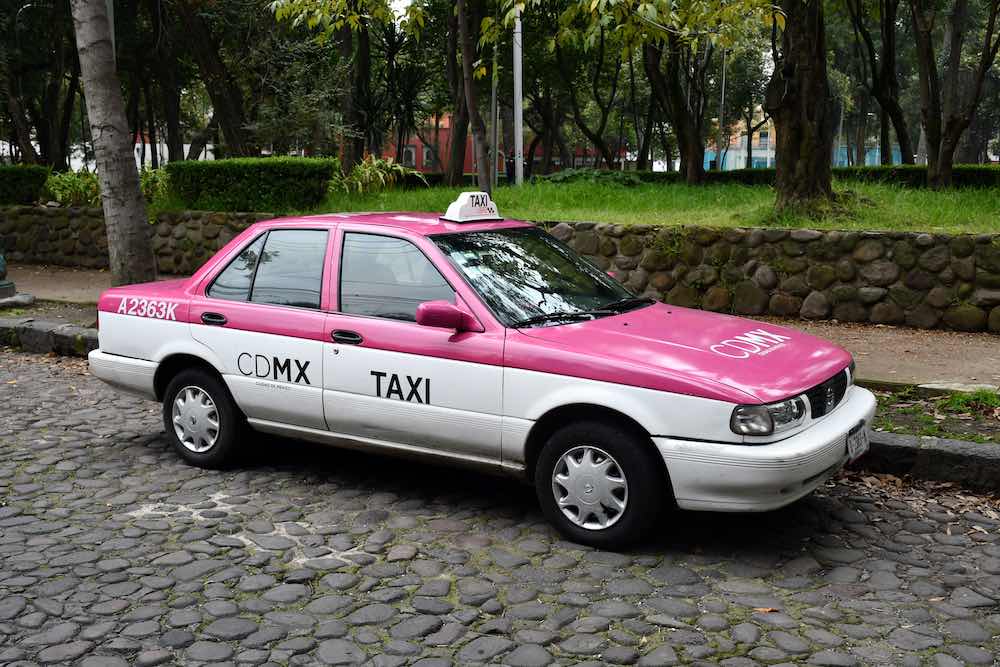
If something sounds too good to be true, it almost always is. Don’t take a “free mixtape” in New York City, and don’t take a “free bracelet” or sign a petition in a big European city. You’ll get harassed to pay money for the former two, and the latter is a common multi-person pickpocketing operation.Just keep walking; if something feels off, it may very well be.
Also, when getting a taxi in a city, the best way is to use an app like Uber, Free Now, or Didi. Otherwise, use the official taxi counters at train stations and airports to book. That will make sure the price is fair and the driver is trustworthy.
Regardless, there are some common taxi scams to watch out for.
Some drivers may say that their fare meter is broken and quote a much higher price than normal. Either find the correct price range for the route you are on and negotiate the stated price down, or insist on using the meter.
Even if they use the meter, some drivers dishonestly accelerate the meter increments to get a higher fare. Other drivers might take a deliberately long route to squeeze more money out of you. To avoid making one of the costlier travel mistakes, use official taxi services only.
7. Booking unnecessary tours
Anyone who has traveled with me knows that I can’t stand guided tours. I simply don’t want to feel like a sheep in a herd. Oftentimes, you end up paying much more for a tour than for a self-tour.
Sometimes tours are unavoidable, especially at locations where your entrance fee benefits the local population. I did actually enjoy the tour of the Raphael Rooms inside the Vatican and thought it to be quite informative. Plus, booking a tour is a good way to skip the general admission lines.
However, if you’re unsure about whether to book a tour and you’re primarily in it for the transportation, a lot of the time you can self-organize transportation and tickets and save a lot of money in the process.
8. Trying to Use a Passport Without Six Months of Validity
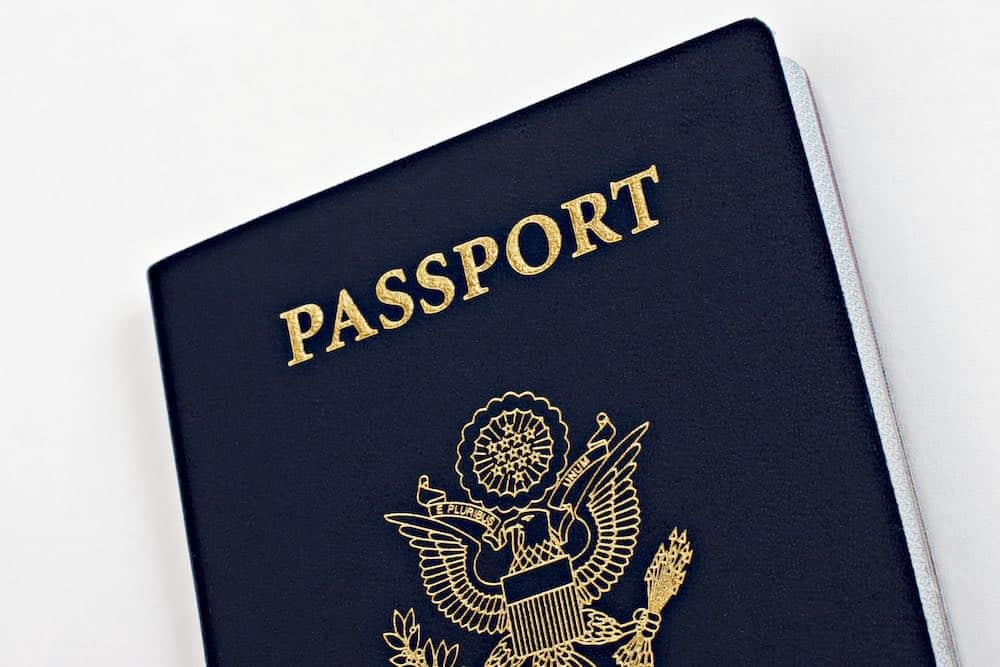
This can completely ruin your vacation. I have a friend who had a trip to Europe planned, and he was denied boarding because his passport was set to expire in three months. If you are traveling internationally, make sure your passport has more than six months of validity.
You can renew your passport through the Department of State’s Online Renewal tool if it is expiring within one year. Set a reminder on your phone when your passport is one year out from expiration and renew it early to avoid one of the most costly travel mistakes.
9. Exchanging Money at the Airport
One of the most common travel mistakes is exchanging money at currency booths in airports. You are going to get ripped off if you choose to do this. Airport currency exchange places know that travelers are desperate and do not offer competitive rates.
While you may get more competitive rates at a currency exchange place in the city you’re in, ATMs are going to be your best bet. I have often sung the praises of the Fidelity Cash Management card, and it has saved me hundreds.
If you withdraw another currency with the card, you’ll be refunded any foreign transaction fee. However, you still need to decline the ATM’s conversion rate so that you get the best available rate.
10. Not Paying Attention to the Day of the Week
The last of the common travel mistakes is incredibly disappointing and easily overlooked. If you are in a place for only one day and the main attraction you want to see there is closed on that day, you’re not going to be able to force your way in. So, pay attention to which days you’re in a certain place.
I’m not an advocate of overplanning, but I do save some major sights on my Google Maps. It’s happened to me a few times when I’m in a small city on a Sunday or Monday, and some of the few things I’ve wanted to see are closed.
Also, rental car locations are often closed on Sundays, so you may want to start a rental on a Saturday if you’re trying to travel on a Sunday.